Dance Like Nobody's Watching at These Amsterdam Clubs
In Amsterdam, the music doesn’t start when the sun goes down-it starts when the canals quiet down. You don’t need to be a professional dancer to lose yourself in the rhythm. You just need to find the right room, the right beat, and the courage to move like no one’s watching. And in this city, that’s easier than you think.
De Marktkantine: Where the Floor Is the Only Rule
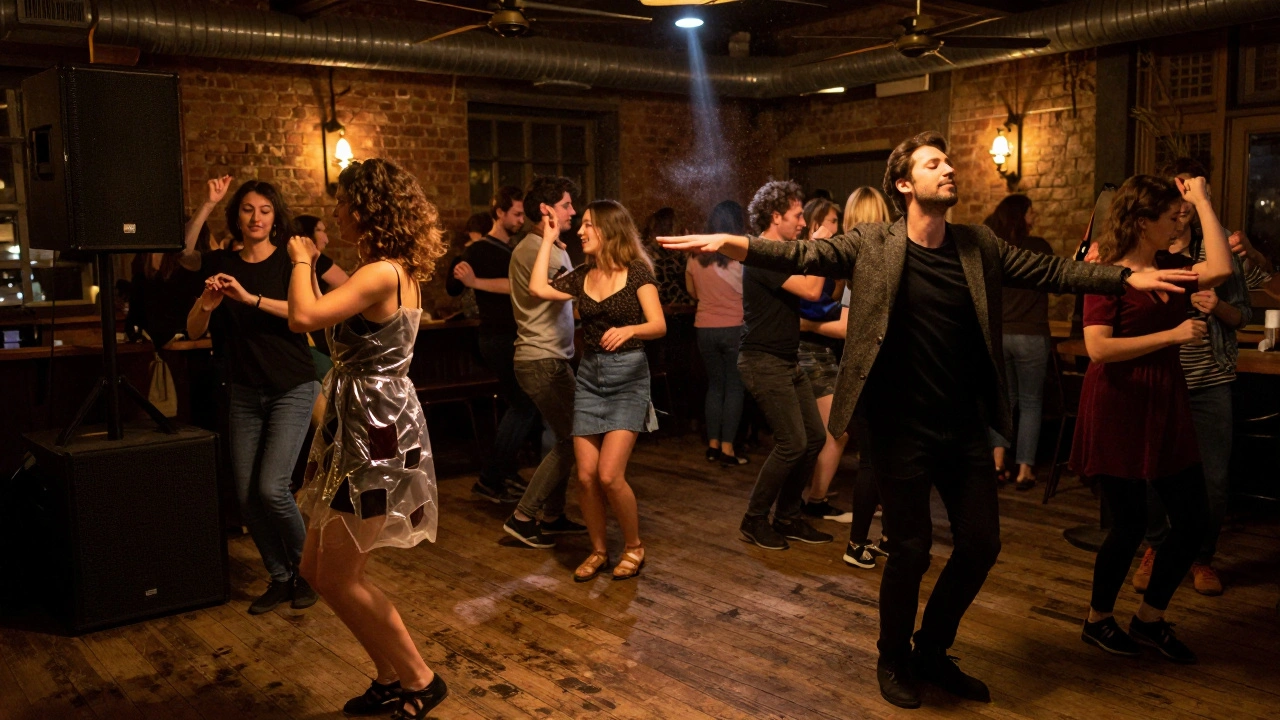
At De Marktkantine, tucked into a converted market hall near the Nieuwmarkt, the dance floor isn’t divided by genre or trend. One night it’s house, the next it’s techno, and sometimes it’s a live band playing Dutch indie rock. The crowd? A mix of artists from the Rietveld Academy, students from the University of Amsterdam, and old-school locals who’ve been coming since the ’90s. There’s no dress code, no VIP section, and no bouncer judging your shoes. You show up in sneakers, in a blazer, or in a dress made of recycled plastic-you’re welcome. The sound system? Built by local engineers who refuse to use imported speakers. The bass? Deep enough to feel in your ribs. And if you’ve ever stood there, eyes closed, letting the music pull you into a spin you didn’t plan, you know why this place is the heartbeat of Amsterdam’s underground.
De School: The Warehouse That Forgot It Was a School
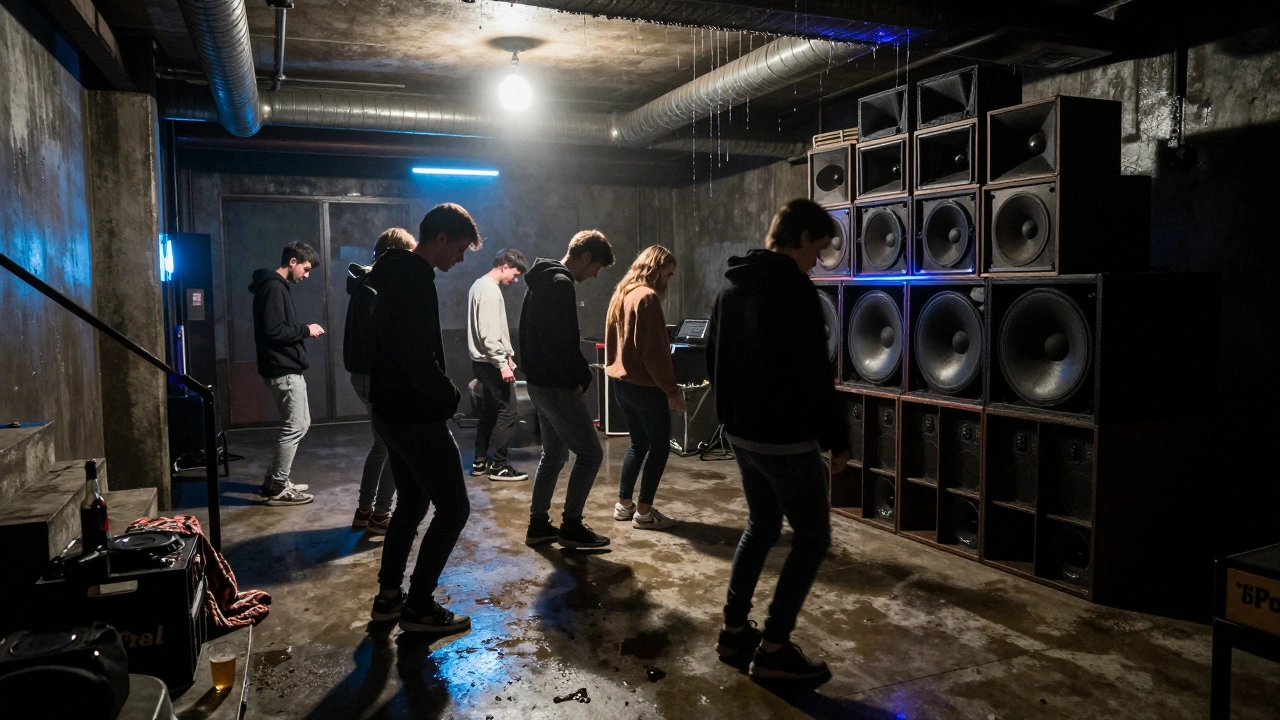
Once a real school in Oost, De School shut its doors in 2020-but its spirit never left. The new version, reopened in 2023 under the same name and same ethos, is still a raw, industrial space with concrete floors, exposed pipes, and a sound system that could shake dust off the ceiling. This is where Amsterdam’s techno scene breathes. No neon lights. No bottle service. Just a 24-hour license, a crew of DJs who’ve played from Berlin to Buenos Aires, and a crowd that shows up not to be seen, but to disappear into the music. On Friday nights, the basement turns into a sweat-drenched temple of 4/4 beats. People dance like they’re alone in their living room-because in this room, they are. The bar serves only beer from local breweries like De Prael and Brouwerij ’t Jopen. No cocktails. No fancy names. Just cold, hoppy Dutch beer.
Paradiso: When the History Is in the Walls
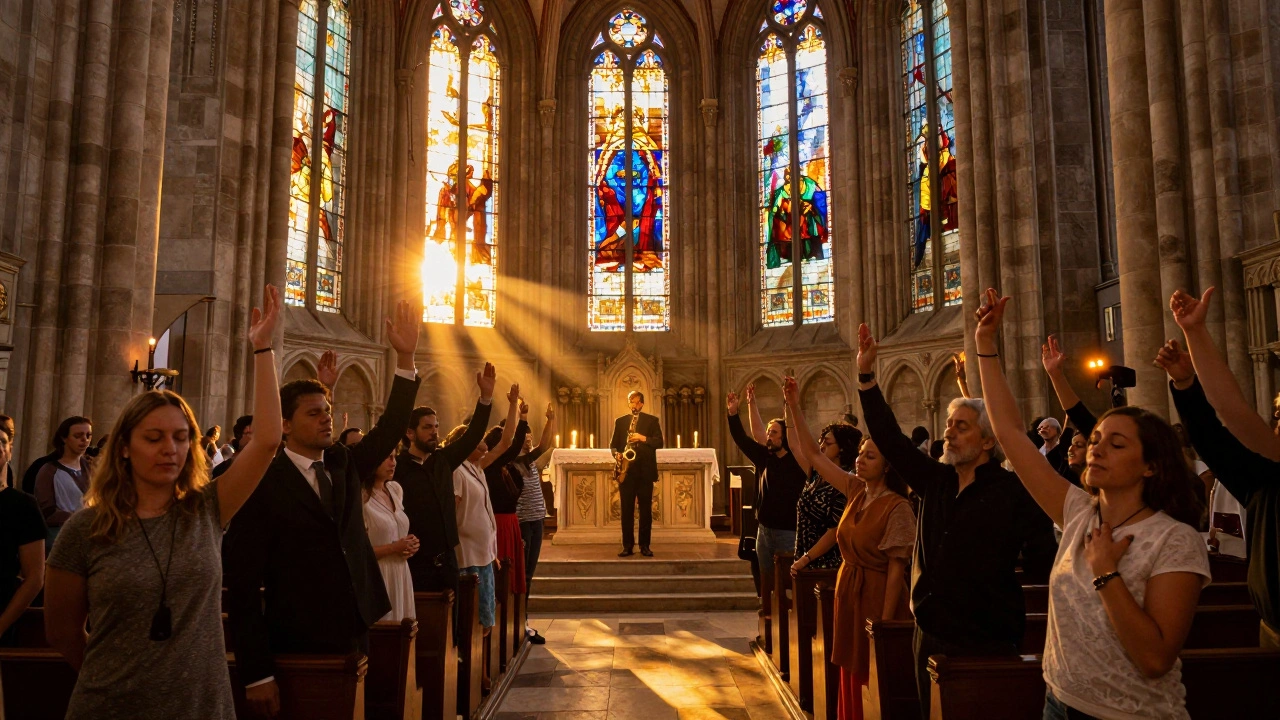
You can’t talk about Amsterdam clubs without mentioning Paradiso. It’s not just a venue-it’s a landmark. The building used to be a church, and the stained-glass windows still glow when the lights dim. But the altar? Now it’s a stage. The pews? Turned into a standing crowd that sways like waves. Paradiso doesn’t just host parties-it hosts moments. You’ll find local legends like Anouk or The Common Linnets playing intimate shows, or international acts like Four Tet and Sven Väth turning the nave into a cathedral of sound. The dance floor here isn’t about showing off. It’s about surrendering. People close their eyes, lift their arms, and let the acoustics of the old stone carry them. If you’ve ever danced here during a sunset set, with golden light filtering through the windows and the crowd singing along to a Dutch-language anthem-you know what it means to dance like nobody’s watching. Because in this space, nobody is watching. Everyone is feeling.
De School & De Marktkantine: The Two Sides of the Same Coin
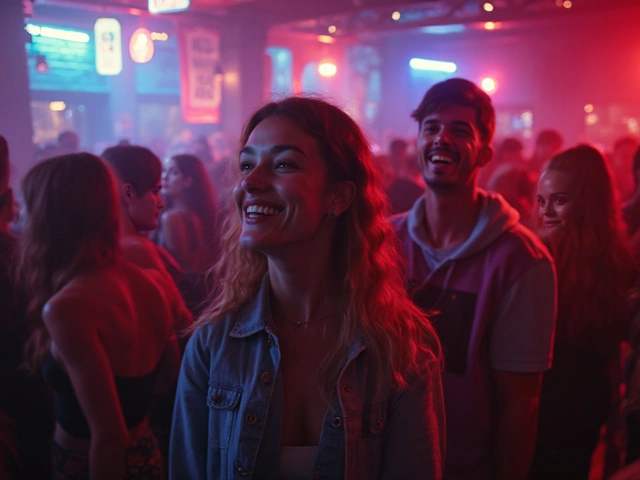
De School and De Marktkantine represent the two souls of Amsterdam nightlife. One is raw, industrial, and loud. The other is warm, eclectic, and human. But they share something deeper: a refusal to turn dancing into a performance. In Amsterdam, you don’t need to know the latest TikTok dance to belong. You just need to feel the beat. That’s why you’ll see a 70-year-old man in a tweed jacket spinning alone at De Marktkantine, or a group of university students in sweatpants doing a synchronized move at De School. No one cares if you’re good. They care if you’re there.
When to Go, What to Wear, and How to Get Home
Amsterdam clubs don’t open at midnight. They open when the city decides it’s time. De Marktkantine starts at 10 p.m., but the real energy hits after midnight. De School doesn’t even turn on the lights until 1 a.m. And if you’re heading to Paradiso, check their calendar-some nights end at 3 a.m., others go until dawn. As for what to wear? Comfort wins. Leather boots? Fine. Flip-flops? Also fine. A hoodie? Absolutely. You’re not here to impress. You’re here to move. And when the night ends? Take the night bus. The 24-hour N9 line runs from the city center to Oost. Or better yet-walk. Amsterdam’s canals are quiet after 3 a.m., and the streetlights reflect off the water like liquid gold. It’s the perfect cool-down.
Why Amsterdam’s Dance Culture Is Different
In other cities, clubs are about status. In Amsterdam, they’re about silence. Not the quiet kind-the kind that comes when you stop thinking and just let your body speak. The Dutch don’t dance to be seen. They dance because the music lives in their bones. It’s why the city has more underground venues per capita than any other in Europe. It’s why the police don’t shut down parties unless they’re unsafe. It’s why you’ll find a 19-year-old student from Ghana dancing next to a 60-year-old Dutch jazz musician, both lost in the same rhythm. This isn’t a trend. It’s a tradition. One that started in squats, grew in basements, and now thrives in converted churches and market halls.
What to Do If You’re Nervous
If you’ve never danced in a crowd before, start small. Go to De Marktkantine on a Tuesday. The crowd is thin. The music is soft. The staff will smile and hand you a beer without asking questions. Stand near the back. Close your eyes. Breathe. Let the beat find you. When you feel it-when your shoulders move without your permission-that’s when you know you’re home. Amsterdam doesn’t ask you to be perfect. It just asks you to be present.
Don’t Miss: The Secret Sunday Sessions
Every third Sunday, De School hosts a 10-hour set called "Sunrise Ritual." It starts at 5 a.m. and ends at 3 p.m. No tickets. Just a donation box for coffee and sandwiches. People bring blankets. Some sleep on the floor. Others dance until their feet bleed. It’s not advertised. You hear about it through word of mouth, or from a stranger who says, "You have to be there." And if you go? You’ll understand why Amsterdam doesn’t need clubs to be fancy. It just needs to be real.
Waar zijn de beste clubs in Amsterdam voor mensen die niet willen dansen?
Als je niet wilt dansen, zijn er nog steeds plekken waar je kunt zitten, praten en muziek kunt genieten. Paradiso heeft zitplekken bij de muren en een rustige bar op de bovenverdieping. De Marktkantine heeft een zachte loungehoek achterin met kussens en warme lampen. En bij De School kun je op de trap zitten en de muziek vanaf boven luisteren-het is net als in een kelderconcert, maar zonder drukte. Het gaat niet om dansen. Het gaat om de ervaring.
Moet je een lidmaatschap hebben om naar Amsterdamse clubs te gaan?
Nee. Geen enkele van de grote clubs in Amsterdam vereist een lidmaatschap. De Marktkantine, Paradiso en De School zijn open voor iedereen. Je betaalt alleen een dekkingsbijdrage of een entree (meestal tussen €10 en €20). Sommige evenementen hebben een voorverkoop, maar dat is geen lidmaatschap. Het is gewoon een manier om de drukte te beheersen. Je hoeft geen pass te hebben. Je hoeft geen verhaal te hebben. Je hoeft alleen maar aanwezig te zijn.
Waarom zijn Amsterdamse clubs zo goed in muziek?
Omdat de muziek hier geen product is. Het is een levensstijl. Amsterdam heeft meer dan 200 lokale DJ’s die elke week spelen, vaak zonder betaling. De clubbeheerders investeren in geluidssystemen van Nederlandse fabrikanten als Audio-Technica en D&B. De stad heeft een lange geschiedenis van zelfgemaakte muziek: van de kraakpanden in de jaren ’80 tot de techno-cultuur van de jaren ’90. De muziek is niet bedoeld om te verkopen. Ze is bedoeld om te voelen.
Kun je in Amsterdam clubs vinden met live muziek?
Zeker. Paradiso is de grootste plek voor live muziek, maar ook De Marktkantine en de Bimhuis in Oost organiseren regelmatig jazz- en experimentele optredens. In de zomer speelt de band "De Dijk" vaak buiten op de gracht. En bij De School zijn er maandelijks "Sonic Sessions"-live geluidscollaboraties tussen DJ’s, saxofonisten en zelfs kunstenaars met synthesizers. Het is niet alleen elektronische muziek. Het is muziek als kunst.
Wat is de beste manier om een nacht in Amsterdam te beginnen?
Begin niet met een cocktail. Begin met een koffie. Ga naar Café de Jaren in de Jordaan of De Koffiebrug in de Westelijke Eilanden. Bestel een espresso en een croissant. Kijk naar de mensen die voorbijlopen. Dan ga je naar een van de clubs. Zonder haast. Zonder plan. Laat de avond je meeslepen. In Amsterdam is het niet belangrijk waar je begint. Het is belangrijk hoe je je voelt als de nacht eindigt.