Live Music in Amsterdam: How Concerts Shape the City’s Soul
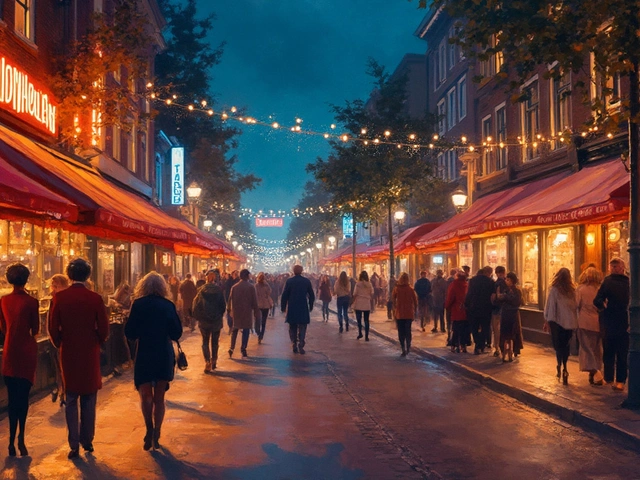
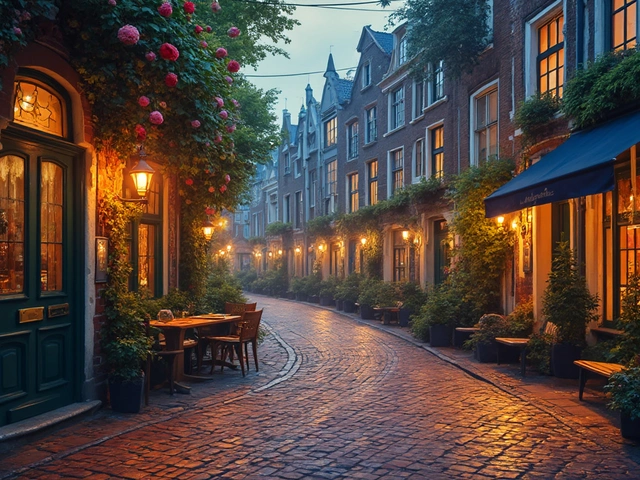
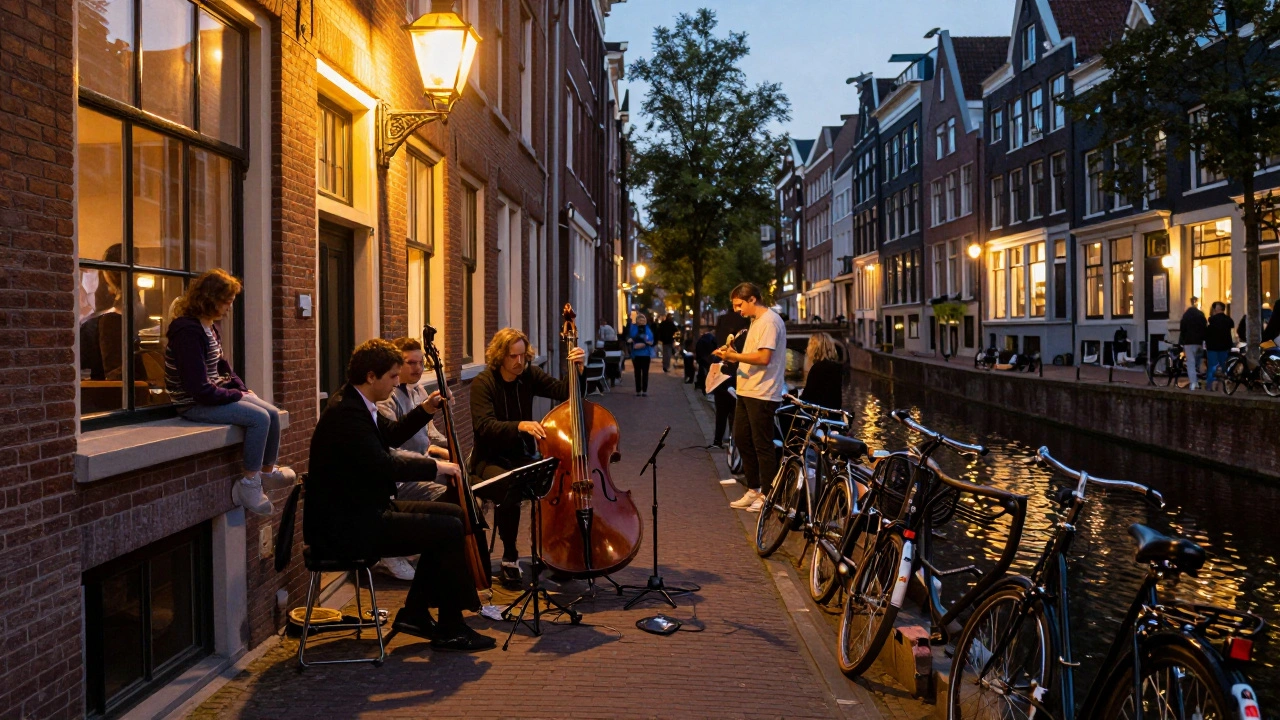
In Amsterdam, live music isn’t just background noise-it’s the heartbeat of the city. Walk down the Jordaan on a Friday evening and you’ll hear a jazz trio spilling out of a tiny bar near the Prinsengracht. Take the tram to De Pijp and you’ll catch a reggae band warming up outside Café de Spiegel. Even the canals seem to hum along when a folk singer strums on the bridge near the Westerkerk. This isn’t accidental. In Amsterdam, live music has long been a quiet but powerful force for social change, bringing people together across cultures, classes, and generations.
From the 1960s to Now: Music as a Protest Tool
Amsterdam’s history with music and protest goes back decades. In the 1960s, the Provo movement used street performances to challenge authority-bands played on the Rembrandtplein, turning police crackdowns into public spectacles. By the 1980s, squats like Vrankrijk and Het Paard became underground hubs where punk, hip-hop, and free jazz fused with political speeches. These weren’t just concerts-they were rallies with guitars.
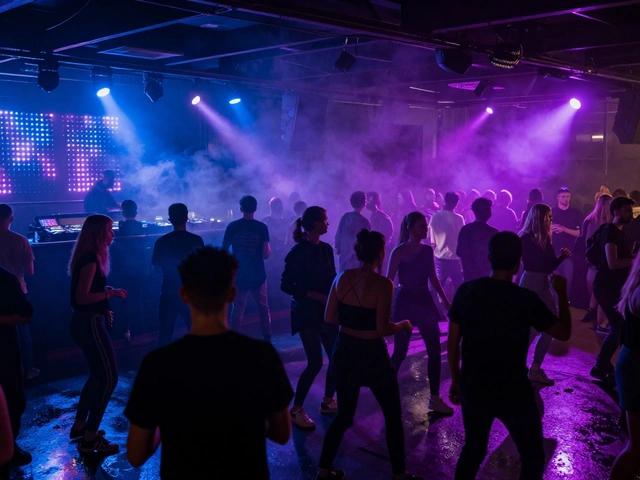
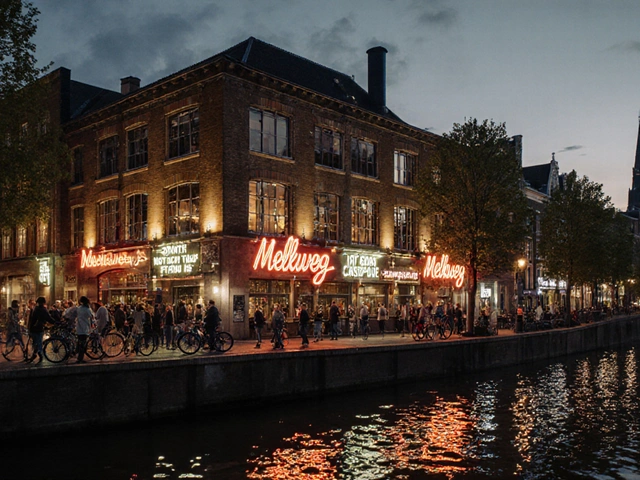
Today, that legacy lives on. At the Paradiso, one of Amsterdam’s most iconic venues, you’ll still find benefit gigs for refugees, climate activists, and LGBTQ+ youth groups. In 2024, the Amsterdam Music Festival partnered with local NGOs to donate 15% of ticket sales to housing initiatives for undocumented migrants. When a crowd sings along to a protest song at the Melkweg, it’s not just entertainment-it’s solidarity.
Street Music: The Sound of Everyday Resistance
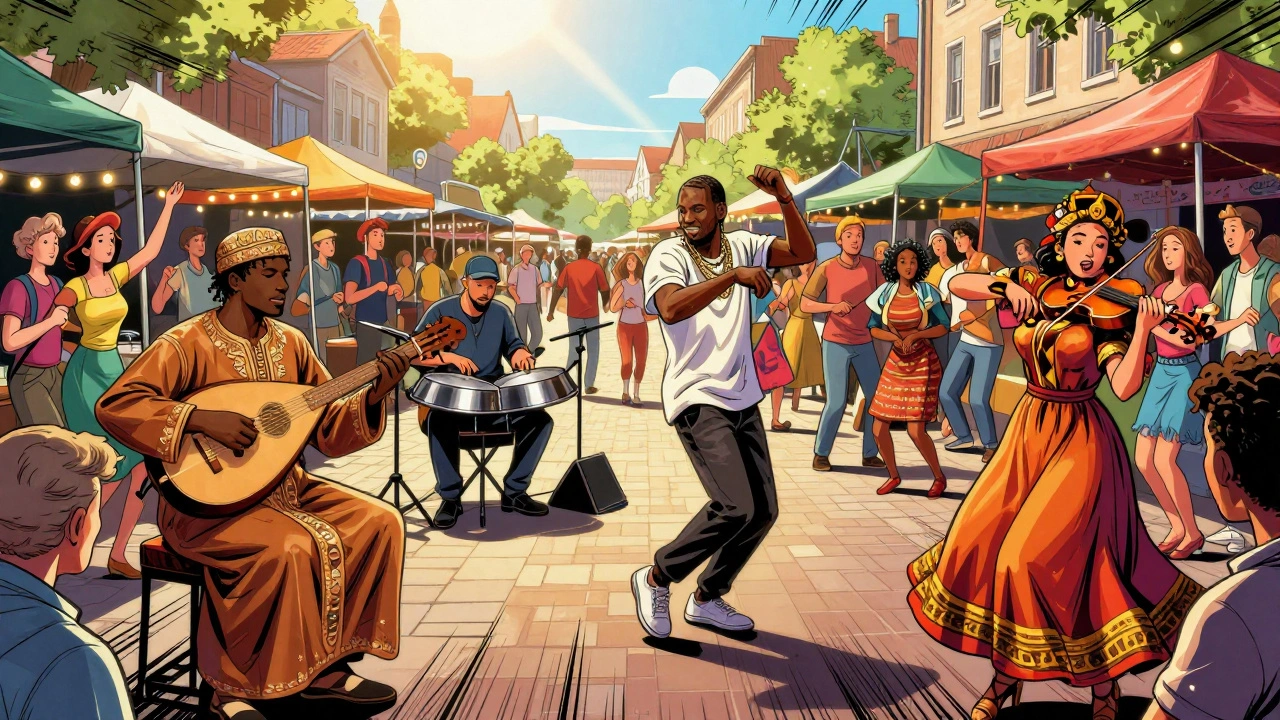
Walk through the Albert Cuypmarkt on a Sunday and you’ll hear a Moroccan oud player beside a Surinamese steelpan band. Near the Nieuwmarkt, a Romani violinist plays with a Dutch hip-hop artist. These aren’t tourist traps-they’re spontaneous acts of cultural exchange, often performed by people who don’t have a stage anywhere else.
Amsterdam’s street music scene is one of the most regulated in Europe. Musicians need a permit from the city, but the rules are designed to encourage diversity. The city doesn’t just allow street performances-it actively promotes them. In 2023, the municipal government launched the “Sound of the City” program, giving grants to non-Dutch artists to perform in neighborhoods like Bijlmer and Slotervaart, areas often overlooked by mainstream nightlife.
Why does this matter? Because music in public spaces breaks down invisible barriers. When a Syrian refugee plays a traditional ney flute next to a Dutch pensioner buying stroopwafels, language doesn’t matter. The emotion does.
The Role of Local Venues: More Than Just Places to Hear Music
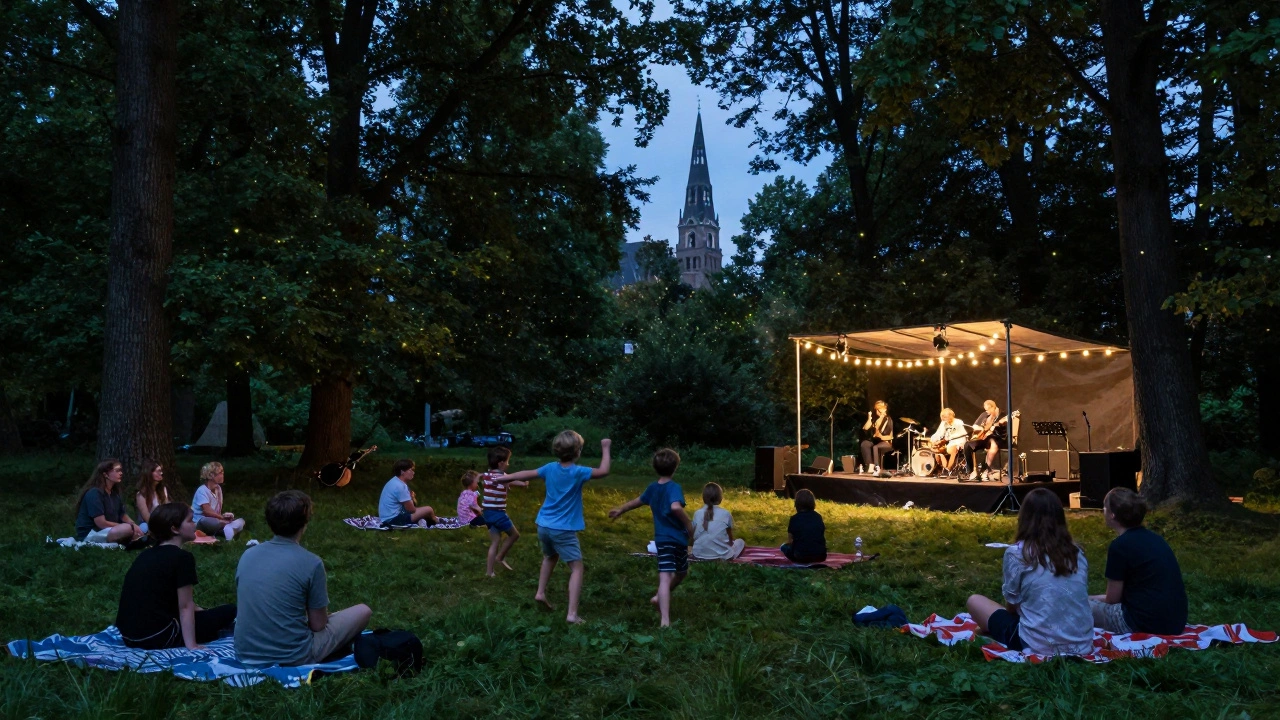
Amsterdam’s music venues aren’t just buildings-they’re community anchors. De Marktkantine in the Noord district hosts weekly open mics for asylum seekers learning Dutch. De Ceuvel, a sustainable urban farm in Amsterdam North, turns its repurposed houseboats into stages for eco-conscious bands. Even Amsterdamse Bos, the city’s huge forest park, holds free summer concerts where families bring blankets and kids dance barefoot in the grass.
These spaces don’t just book acts-they build relationships. The staff at Westerkerk (not the church, but the small venue under the tower) train local teens to run soundboards and manage ticketing. It’s not charity. It’s empowerment. And it works: over 60% of the venue’s volunteers are under 25, and many now work in the music industry.
How Music Unites Amsterdam’s Diverse Communities
Amsterdam is home to over 180 nationalities. That diversity is often cited as a strength-but it can also create distance. Live music bridges that gap. In the winter of 2025, the Amsterdam World Music Festival featured a collaboration between a Sufi qawwali group from Pakistan and a Dutch choir from the Oud-Zuid neighborhood. They rehearsed for months in a community center in Zuidoost. The final performance sold out. Not because it was polished-it was raw, emotional, and sometimes out of sync-but because it was real.
Same goes for the Afrobeat nights at De School, where Nigerian dancers teach Dutch teens moves that have nothing to do with TikTok trends. Or the Amsterdam Klezmer Band, which plays at Jewish heritage events, refugee shelters, and gay pride parades-all in the same month.
Music doesn’t ask for your papers. It doesn’t care if you speak Dutch. It just asks you to listen.
What You Can Do: Join the Movement
If you live in Amsterdam, you already have access to this power. You don’t need to be a musician or a volunteer to help. Here’s how:
- Go to a free concert at De Bunker in the Oosterpark-no ticket needed, just show up.
- Support local artists by buying their music on Bandcamp, not Spotify. Many Amsterdam musicians earn more from direct sales.
- Volunteer at Music for All, a nonprofit that gives instruments to refugee children.
- Take a friend who doesn’t speak Dutch to a performance at De Balie-they often host multilingual storytelling nights with live accompaniment.
- Report a street musician being harassed. Amsterdam’s city council has a 24/7 hotline for this. Music isn’t noise-it’s a right.
The next time you hear a violin in the Jordaan or a drum circle near the Amstel River, pause for a second. You’re not just hearing music. You’re witnessing a quiet revolution.
Why This Matters More Than Ever
In a city where housing is expensive, rents are rising, and digital life pulls us into silos, live music is one of the last places where people still gather without a screen in hand. It’s where the immigrant and the expat, the student and the retiree, the activist and the tourist-all find a shared rhythm.
Amsterdam doesn’t need to be perfect. But it does need to keep listening.