Night Bars with a Personal Touch: Meet the Bartenders Making a Difference in Amsterdam
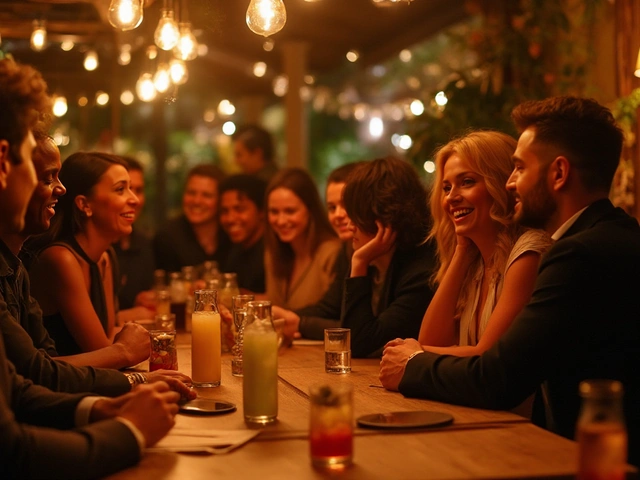
In Amsterdam, the night doesn’t end when the bells of the Westerkerk stop ringing-it just changes shape. While tourists flock to Leidseplein for neon-lit clubs and cheap cocktails, the real heartbeat of Amsterdam’s evening scene beats in quiet corners where bartenders know your name, remember your drink, and sometimes, just listen. These aren’t just places to grab a pint. They’re living rooms with stools, where the person behind the counter is as much a part of the neighborhood as the brickwork and the bicycles parked outside.
It’s Not About the Drinks-It’s About the People
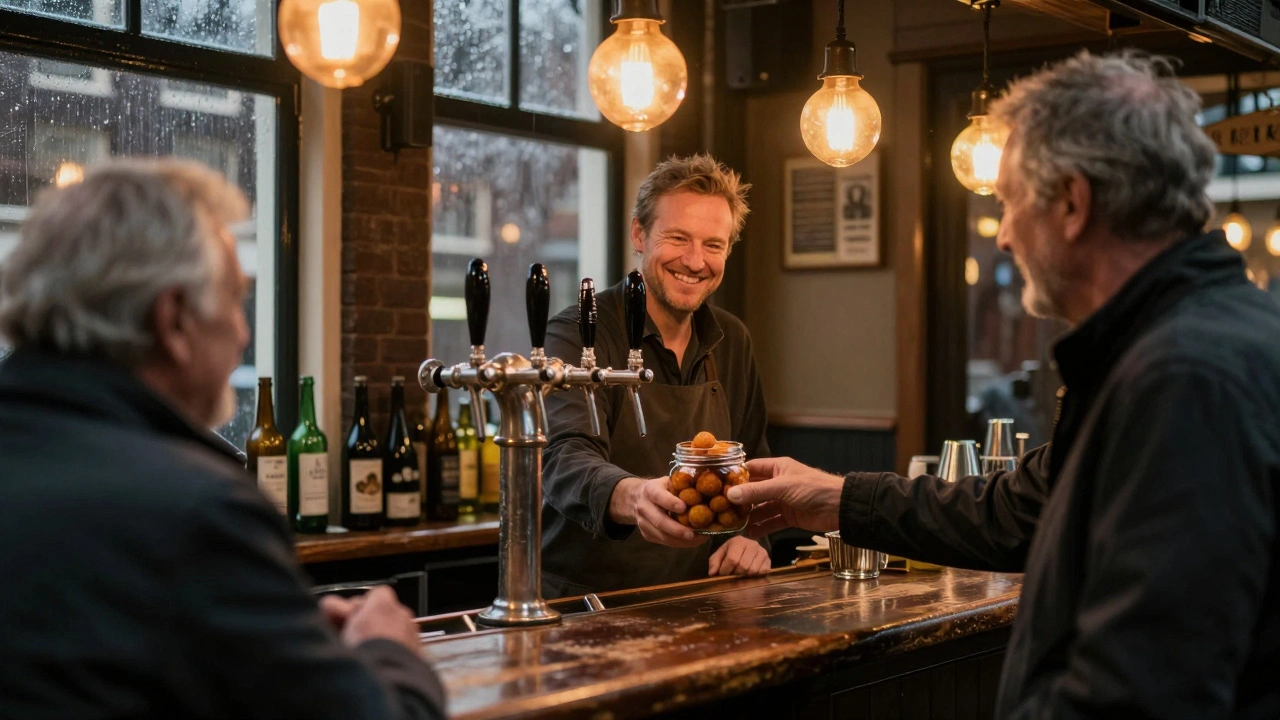
Walk into De Drie Fleschjes in the Jordaan, and you’ll find a space that hasn’t changed much since 1932. The wooden bar is worn smooth by decades of elbows. The beer taps are old, the bottles are arranged by region, and the owner, Henk, has been pouring for over 40 years. He doesn’t take bookings. He doesn’t have a Instagram account. But if you mention you’re from Utrecht and miss the bitterballen from your childhood, he’ll pull out a jar of homemade ones-no charge. That’s not marketing. That’s memory keeping.
Same goes for De Pijp’s De Bar, tucked between a Turkish bakery and a second-hand record shop. The bartender, Lisanne, started here as a student. Now, she’s the unofficial counselor for locals going through breakups, job losses, or just needing to talk after a long shift at the hospital. She doesn’t offer advice unless asked. But she knows when to slide over a glass of Jenever instead of wine, or when to turn the music down and let the silence speak.
The Dutch Art of Quiet Connection
Amsterdam’s bar culture doesn’t shout. It whispers. Unlike cities where nightlife is about volume and visibility, here it’s about intimacy. The best spots don’t have cover charges, don’t play top 40 hits, and don’t need to be tagged on TikTok. They thrive because they understand the Dutch love for authenticity over performance.
Take De Klos in the Oud-West. It opened in 1978 and still has the same yellow wallpaper, the same sticky floor, and the same owner, Wim, who greets every guest with a nod and a, “Wat wil je vandaag?” No menus. No specials. Just what’s in the fridge and what’s on tap. Regulars know the ritual: order a trappist, ask about the weather, and wait for Wim to tell you why he thinks the canals are rising faster this year. It’s not small talk. It’s community building.
These places survive because they serve more than alcohol. They serve belonging. And in a city where 40% of residents are foreign-born, that matters more than ever. A Ukrainian refugee who started working at De Blauwe Thee in De Pijp now runs the bar on weekends. She makes her own stroopwafel syrup cocktails and teaches Dutch phrases to newcomers. One regular, a retired Dutch teacher from Friesland, comes every Thursday just to hear her speak. “It’s the first time,” he told me, “I’ve felt at home since my wife passed.”
The Bartenders Who Show Up
It’s not just about friendliness. It’s about consistency. In Amsterdam, where winters are long and summers are fleeting, the people who keep the lights on in these bars are the ones who show up-even when the city sleeps.
At De Koe in the Nieuwmarkt, the owner, Marjolein, has hosted weekly “Open Mic Poetry Nights” for 12 years. No sign-up sheet. No entry fee. Just a stool, a mic, and a glass of gin for anyone who wants to read. She’s seen poets, teachers, asylum seekers, and even a retired tram driver recite verses about windmills, grief, and the smell of rain on the canals. One night, a teenager read a poem about losing his father. Marjolein didn’t clap. She just walked over, hugged him, and said, “That was real. Come back next week.”
Then there’s Bar Voltaire in the Rembrandtplein area, where the bartender, Rik, started a “Buy One, Give One” program during the pandemic. For every drink you order, he gives one to someone sleeping rough near the Central Station. He doesn’t announce it. He doesn’t take photos. But the regulars know. And now, 80% of them do it too.
Why This Matters in Amsterdam Today
Amsterdam is changing. Airbnb rentals have turned entire blocks into ghost towns after 8 p.m. Chain bars with fake “Dutch” decor are popping up near the Red Light District. The city council is cracking down on late-night noise. But in these quiet bars, something stubbornly remains: human connection.
These places are the antidote to the algorithm-driven nightlife that prioritizes likes over laughter. They’re where the elderly Dutch man who’s lived on the Prinsengracht since 1955 still gets his hollandse nieuwe on Fridays. Where the student from Nigeria learns how to say “cheers” in Limburgs. Where the expat who just moved here feels less alone because someone remembered they hate bitter beer.
This isn’t nostalgia. It’s resistance. And it’s happening right now, in the back corners of bars you’ve probably walked past without noticing.
Where to Find These Bars in Amsterdam
- De Drie Fleschjes - Prinsengracht 195, Jordaan. Open until 1 a.m. No music after 11 p.m.
- De Bar - Ferdinand Bolstraat 117, De Pijp. Cash only. Ask for the “quiet corner.”
- De Klos - Westerstraat 22, Oud-West. Closed Mondays. Try the Heineken 0.0 with a twist of orange peel.
- De Blauwe Thee - Albert Cuypstraat 186, De Pijp. Weekend cocktails made with local herbs.
- De Koe - Nieuwmarkt 21. Poetry nights every Thursday at 8 p.m.
- Bar Voltaire - Rembrandtplein 18. Ask about the “silent donation” system.
Don’t go looking for a vibe. Go looking for a person. Sit at the bar. Say hello. Ask what they’re drinking tonight. And listen.
What Makes a Bar Truly Amsterdam?
It’s not the decor. It’s not the price. It’s not even the beer.
A true Amsterdam bar is one where the bartender knows your story before you’ve finished your first sip. Where the silence between drinks feels comfortable, not awkward. Where you leave not because you’re drunk, but because you’ve been heard.
These bars don’t need to be famous. They just need to be real.
Wat maakt een bar in Amsterdam echt?
Een echte bar in Amsterdam is geen plek met neonlichten of een trendy decor. Het is een plek waar de barkeeper je naam weet, je drank onthoudt, en soms gewoon luistert. Het zijn de kleine gewoontes: een glas jenever als je moe bent, een zelfgemaakte stroopwafel als je vanuit het buitenland komt, of een stilte die comfortabel is. Het gaat niet om hoeveel mensen er zijn, maar om hoeveel mensen zich veilig voelen.
Waar vind ik deze barretjes in Amsterdam?
Kijk weg van de drukke plekken als Leidseplein of Rembrandtplein. Ga naar de Jordaan, De Pijp, Oud-West of de Nieuwmarkt. Bars als De Drie Fleschjes, De Bar, De Klos en De Koe zijn bekend onder locals, maar niet op Instagram. Vraag een lokale of kijk op de muur: als er een bordje hangt met ‘Geen wifi, wel gesprek’, ben je op het goede spoor.
Moet ik een reservering maken?
Nee. De meeste van deze barretjes hebben geen reserveringen. Ze werken op eerstkomende, eerstbediende basis. Kom op tijd, zet je jas op de stok, en ga zitten. Als de bar vol is, wacht je gewoon. Dat is deel van de cultuur. Als je geduldig bent, krijg je vaak het beste gesprek.
Is het duur in deze barretjes?
Niet meer dan in een gemiddelde Amsterdamse bar. Een pils of jenever kost meestal tussen €4 en €7. Wat anders is: je krijgt vaak een klein extraatje-een stukje kaas, een handvol noten, of een glaasje water met citroen. Dat is geen service. Dat is gewoon hoe het hier gaat.
Waarom zijn deze barretjes belangrijk voor Amsterdam?
Ze zijn de tegenhanger van de toeristische, op snelheid gebaseerde uitgaanscultuur. In een stad waar de huurprijs stijgt en de lokale cultuur verdwijnt, zijn deze barretjes een plek van continuïteit. Ze houden de menselijke verbinding levend. Ze zijn waar ouders hun kinderen meenemen, waar expats hun eerste Nederlandse vrienden vinden, en waar mensen, op een donkere avond, even niet alleen zijn.
Next Steps: How to Become Part of the Scene
If you’re new to Amsterdam, don’t just go out. Go in. Find one of these places. Go once a week. Don’t rush. Let the rhythm of the bar become your rhythm. Learn the names of the regulars. Ask the bartender what they’re reading, what they’re cooking, or why they still work here after all these years.
And if you ever feel like you don’t belong? Sit down. Order a drink. Say nothing. Someone will notice. And they’ll ask you how your day was. That’s how it starts.